
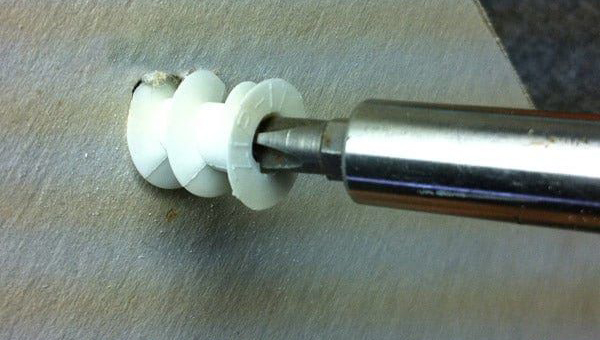
The Professional's Guide to Plasterboard Wall Anchor Nylon Wall Plugs: Engineering Secure Fixings in Hollow Walls
Let's be real: hanging anything on a modern hollow wall—like drywall or plasterboard—can feel like a game of trust you're destined to lose. Standard plugs just crumble the soft inner material, leaving you with a bigger hole and a sinking feeling. This is where the specially designed plasterboard wall anchor nylon wall plug comes in. Think of it as a tiny, clever internal brace. Its whole job is to spread out the force behind the wall where you can't see it, creating a strong, trustworthy point you can actually hang things from. This guide will walk you through exactly how these little guardians work, how to pick the perfect one, and the right way to install it so your shelves, art, and cabinets stay put, for good.
Understanding the Core Challenge: Why Hollow Walls Fail Standard Fixings
You need to understand the enemy first. Traditional wall plugs are built for solid, gritty materials like brick or concrete. They expand outward to grip. But in plasterboard? That outward push just chews up the powdery gypsum core. It’s like trying to hold on to a handful of sand—the harder you squeeze, the more it slips away. Things usually fail in one of three frustrating ways:
The Straight Pull-Out: The anchor gets yanked right back through the hole (hello, fallen picture frame).
The Slow-Motion Tilt: A shelf acts like a lever, slowly prying the anchor loose until everything tumbles down.
The Wall Gives Up: The plasterboard itself just cracks or crumbles right around the screw.
The plasterboard wall anchor nylon wall plug is the direct, smart answer to every single one of these issues.
Operating Principle: The Mechanics of an "Invisible Guardian"
The magic isn't in expansion; it's in transformation. Once you slide this anchor through a neat hole and start tightening the screw, the nylon body behind the wall changes shape. It mushrooms out or unfolds—like a tiny umbrella opening or butterfly wings spreading—creating a wide, flat plate pressed against the back of your wall.
Here’s why that’s genius: Instead of all the weight hanging on a tiny point of crumbling plaster, the load is now spread over a much bigger area on the hidden side. The fixture gets clamped securely between the anchor’s front lip and that wide back plate. The wall itself isn't doing the heavy lifting anymore; the anchor’s clever design is.
Critical Selection Criteria: Matching the Anchor to the Application
Grabbing the first pack you see at the hardware store is a gamble. To sleep soundly, you’ve got to match the anchor to the job.
The Weight Limit is Your Bible: Look for the manufacturer’s maximum load rating on the package. That number is your starting point. For anything that moves, holds precious stuff, or is a safety must (think: a TV mount or a safety gate), you need to pick an anchor rated for way more than the actual weight—like four times more.
Know Your Wall’s Thickness: These anchors are sized for specific depths. If your drywall is 1/2-inch thick, an anchor made for 1-inch thick walls won’t set right. Check the side of the box.
Material Matters:
Standard Nylon: Tough, doesn’t rust, and has a little flex. Perfect for almost everything inside your home.
Nylon with a Metal Core: For your heaviest-duty projects. The metal insert gives it extra muscle against sideways forces.
The Style: There are self-drilling ones for speed, screw-in types for convenience, and heavy-duty toggle bolts for the absolute biggest jobs (if you have access to the hollow cavity).
Professional Installation Protocol: A Step-by-Step Guide
Doing this perfectly is what separates a pro result from a “why is it wobbling?” mess.
Plan First: Tap on the wall to find a solid wood stud—that’s always your best bet. If you must go into the hollow part, figure out how thick your wall is and how deep the cavity is behind it.
Drill the Perfect Hole: Use the exact drill bit size the instructions call for. A hole that’s even a bit too big means a weak hold; too small and you’ll struggle to get the anchor in or crack the wall.
The "Set" is Everything: Push the plasterboard wall anchor nylon wall plug in until it’s flush. Start tightening the screw by hand. You’ll feel a distinct increase in resistance—that’s the moment it starts to deform behind the wall. Stop before you force it.
Final Touch: Take the screw out, line up your shelf or bracket, put the screw back through it, and give it a final, firm tighten. You should see the fixture sit snug and secure against the wall.
Applications and Best-Practice Recommendations
These anchors are your go-to for securing things to the hollow parts of your walls:
Everyday Stuff: Mirrors, medium-weight shelves, towel bars, curtain rods, light cabinets.
The Heavy Hitters (with the right heavy-duty anchor): Flat-screen TVs, packed bookshelves, large framed art, kitchen cabinets.
The Golden Rule: If it failing could hurt someone or destroy something expensive, your first choice must always be to screw directly into a wall stud. Hollow wall anchors are brilliant for when you can’t hit a stud, but they are not a replacement for solid wood. Never, ever push past their rated limits